

Review: Zola the Unapproachable at the Théâtre de la Contrescarpe
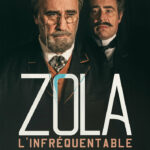
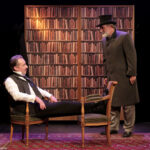
This play takes us back to the very beginnings of the Dreyfus Affair, to a time when all of Paris seemed convinced of one thing: Captain Alfred Dreyfus was guilty; he was the one leaking secret information to Germany. At the dawn of the 20th century, as all of France displayed nationalist and anti-Semitic sentiments, the Jewish military officer became the perfect scapegoat.
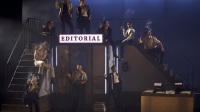
All of France? Not so sure. One man stood alone against everyone, convinced of the captain's innocence: the writer Émile Zola. As its title suggests, the play deliberately emphasizes the novelist's difference—unapproachable, trivial, almost vulgar, blinded by his desire to connect with the people. For over an hour, we witness Zola's rising rage, ready to do anything to expose this legal conspiracy: "The truth is on the march, and nothing will stop it." This uncontrollable, passionate anger led him, as we all know, to write one of the most famous articles in French history, "J'accuse," published on January 13, 1898, in L'Aurore, a newspaper originally intended for artistic, not political, news.
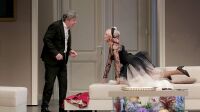
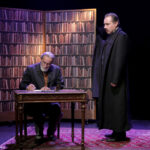
Rejected by everyone and deemed ridiculous, the author was dismissed from Le Figaro, where he wrote, and had no choice but to turn to another newspaper. While the highlight of the play is undoubtedly the publication of the triumphant "J'accuse," the bulk of the work focuses on the preceding period, the struggle waged in the shadows, a battle whose adversity is embodied here by one man, Léon Daudet, radical pamphleteer for Le Figaro, son of the writer and friend of Émile Zola, Alphonse Daudet, who revels in the degradation of Captain Dreyfus and pens a scathing article about it. This narrative choice, centered on the period before "J'accuse," revealing above all the conflictual relationship between Zola and Léon Daudet, a mixture of political differences and pride, may well disconcert more than a few. Zola the Unapproachable is a play with a text reserved for those already familiar with the affair, those who know it inside and out. No didactic intent is apparent, as highlighted by the understated staging, enhanced only by a few musical interludes between acts. No, the strength of *Zola the Unacceptable* lies in its prose, particularly polished and sometimes sharply witty. History buffs will certainly find it worthwhile, listening to the literary insults flying between the two authors with their flamboyant egos.
The lyrical battle between the anti-Semitic journalist and the novelist of humanity remains particularly enjoyable, but is aimed at a specific audience, one seeking the hidden side of the Dreyfus Affair.
*I reserve my seat here**